

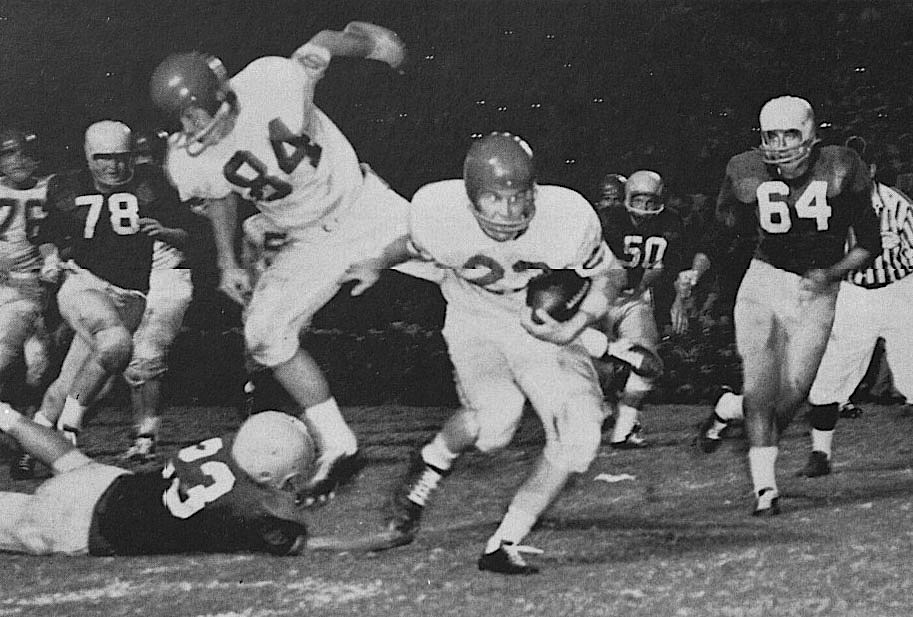
Interesting study from 2017 – link here
Among the 3904 men (mean age 64.4 years at time of primary outcome measurement) in the study, after matching and model-based covariate adjustment, compared with each control condition, there was no statistically significant harmful association of playing football with a reduced composite cognition score (–0.04 reduction in cognition vs all controls; 97.5% CI, –0.14 to 0.05) or an increased modified Center for Epidemiological Studies’ Depression Scale depression score (–1.75 reduction vs all controls; 97.5% CI, –3.24 to –0.26). After adjustment for multiple testing, playing football did not have a significant adverse association with any of the secondary outcomes, such as the likelihood of heavy alcohol use at 65 years of age (odds ratio, 0.68; 95% CI, 0.32-1.43).
Among men graduating from high school in Wisconsin in 1957, we did not find evidence that playing football had a negative long-term association with cognitive functioning and mental health at 65 and 72 years of age. Although our findings may not generalize to current high school football players, they may be relevant to current athletes playing contact sports with similar mean levels of head trauma as among the WLS football players. Repeating our analysis with a younger cohort as they reach 65 years of age may improve our understanding of how the risks of playing football have evolved over time.
 The Power of Youth Sports
Leave a comment